
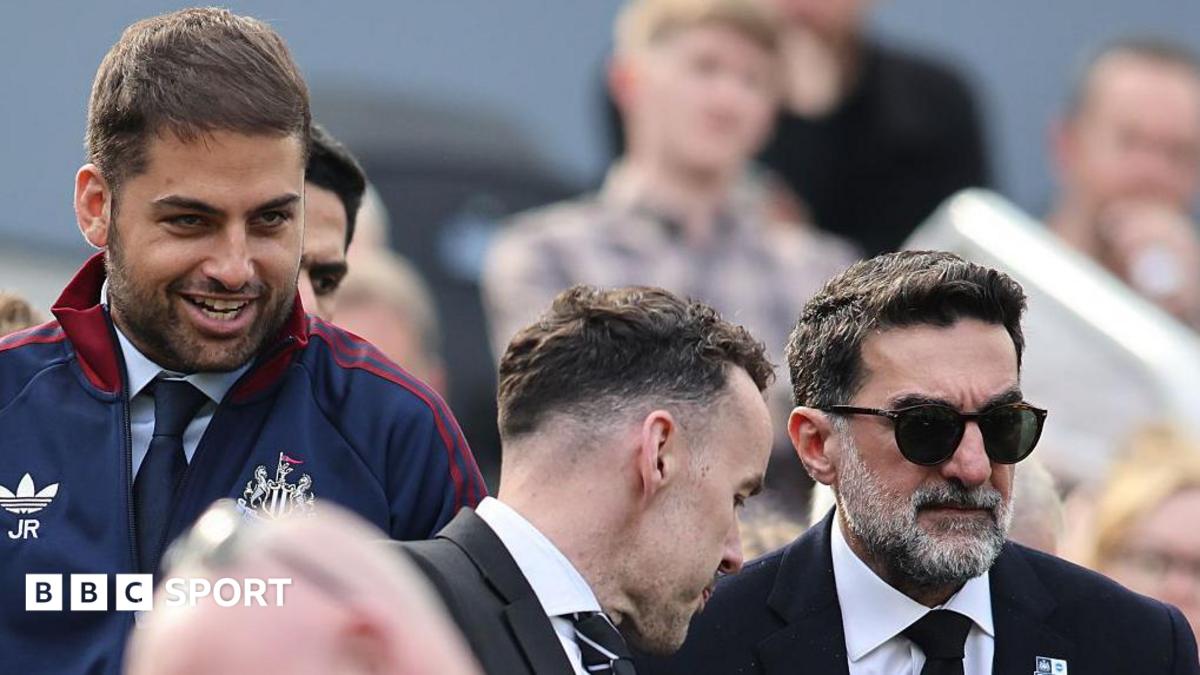
Newcastle United’s bid to become one of football’s leading clubs by 2030 is still alive, but the project looks more complicated than it once did. The club have grown quickly since the 2021 Saudi-led takeover, yet financial regulations and a revenue gap with richer rivals remain major obstacles.
The progress is real: Newcastle ended a long wait for a major domestic trophy by winning the EFL Cup in 2025 and reached the Champions League in both 2023 and 2025. Their revenue has also risen sharply, from £140m in 2021 to £335.3m in 2025, according to the BBC Sport analysis.
But the Premier League landscape is not the same one Manchester City entered after their 2008 takeover. Profit and sustainability rules, squad-cost controls and associated-party transaction rules have limited the scope for rapid spending-led growth. Newcastle are still behind the top earners, and the article notes Chelsea generated about £155m more in the latest accounts referenced.
The sporting rebuild has also become more delicate. Newcastle have entered a three-year UEFA settlement after breaching financial sustainability regulations, while sales of Alexander Isak, Anthony Gordon and Sandro Tonali have reduced the strength of the squad. The future of Bruno Guimaraes is also described as uncertain in the source, though that claim remains one to treat carefully without further reporting.
Infrastructure may be just as important as transfers. A training-ground site near Newcastle Airport has been identified, and the club are weighing whether to expand St James’ Park or pursue a new stadium. For now, Newcastle’s challenge is less about ambition than execution: building revenue, trading smartly and staying competitive while operating inside tighter rules.
Discussion
Sign in to join the discussion.
Sign in / Register