
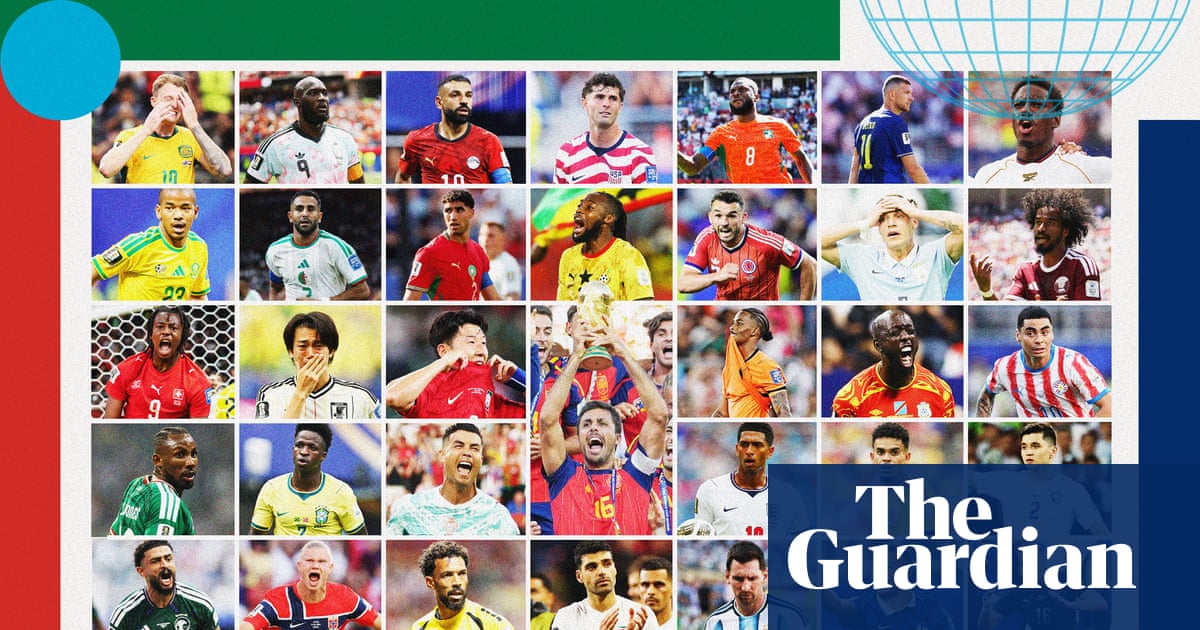
The first 48-team men’s World Cup broadened the tournament’s reach while also making its weaknesses harder to ignore. Spain won the 104-match event in North America, but the bigger story was how expansion changed the rhythm, balance and fairness of the competition.
The larger field gave more nations a genuine stage. Cape Verde emerged as a standout underdog story, Curaçao had a memorable moment against Germany, and countries such as Egypt and Canada were able to experience knockout football in new ways. For supporters outside the traditional power bases, the expanded format offered a stronger sense that the World Cup was not reserved for the same familiar group.
That inclusiveness came with trade-offs. The group stage featured wider gaps between teams, fewer early exits for major nations and several heavy goal-difference struggles for weaker sides. Some matches remained competitive, but the expanded field reduced the sense that every heavyweight was under immediate danger.
The third-place qualification system also left questions. Teams playing later could know more about what they needed, knockout pairings could shift suddenly, and some nations had to wait before learning whether their campaigns were over. That uncertainty may create drama, but it also complicates the idea of a clean sporting format.
A possible move to 64 teams would solve some structural issues by returning to a simpler top-two group model, but it could deepen other problems: bigger mismatches, fewer glamour group games and heavier scheduling demands. The expanded World Cup proved there is value in opening the door wider; the harder question is how far FIFA can push that idea before the tournament loses too much competitive edge.
Discussion
Sign in to join the discussion.
Sign in / Register